Doctor explains: Symptoms, myths and screening tips to tackle thyroid complications – Firstpost
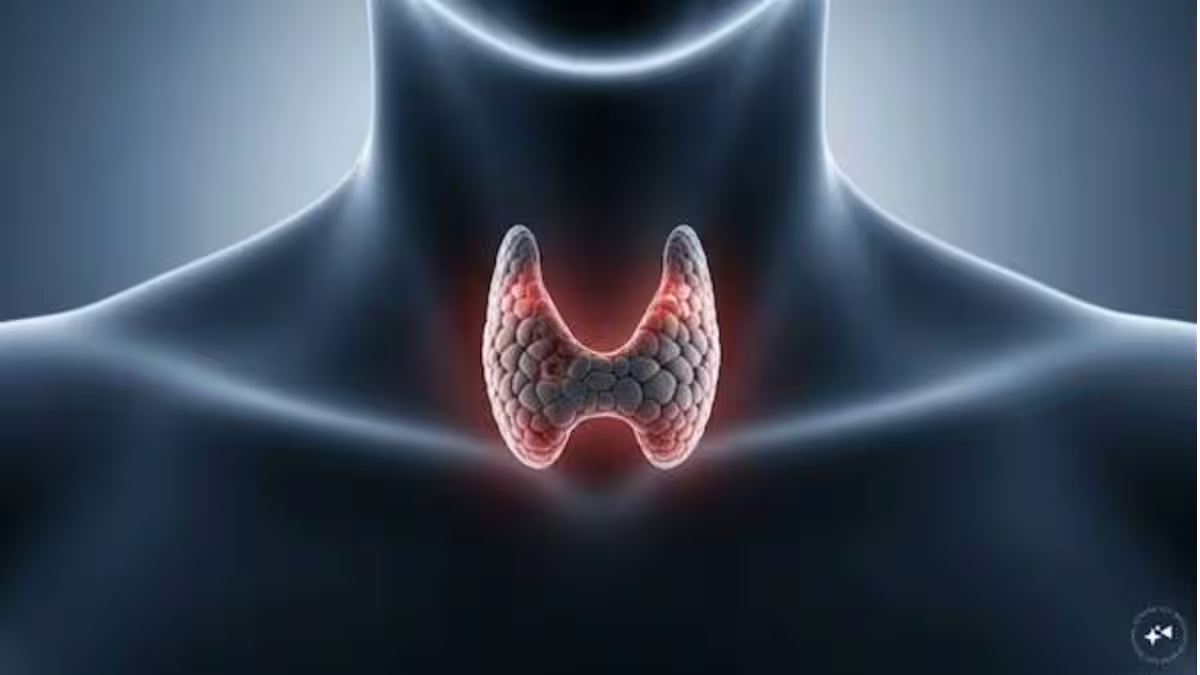
Thyroid dysfunction has reached the proportions of a quiet epidemic in India, currently affecting upwards of 40 million people. This condition often operates as a “clinical iceberg,” where the vast majority of cases remain asymptomatic or present with subtle metabolic imbalances that are easily mistaken for routine stress.
While advancements in standardised blood screening have improved identification, the high volume of undiagnosed patients remains a significant public health challenge. This reality compels a shift toward routine hormonal evaluations and targeted awareness to prevent the long-term systemic impact of untreated thyroid disease.
STORY CONTINUES BELOW THIS AD
Firstpost talked to Dr Amrita Ghosh, Consultant at Fortis Centre of Diabetes, Obesity and Cholesterol (C-DOC) to understand why thyroid conditions often go undetected, who is most at risk, what symptoms should prompt testing and how early detection and treatment can prevent long-term health consequences.
More from Health
Silent to detect, too late to cure: Glaucoma threatens millions with permanent blindness
29-year-old survives life-saving hybrid cardiac surgery for ruptured thoracoabdominal aorta
How common are thyroid disorders in India and why are more cases being reported presently?
Dr Ghosh: Thyroid disorders are quite common, particularly in India where around one in ten adults may be affected. Women are diagnosed more frequently than men. The apparent rise in cases is largely due to improved awareness and wider access to blood tests rather than a sudden increase in disease. In the past, many people lived with symptoms without knowing the cause. Modern lifestyles, stress, autoimmune conditions and better screening have all contributed to more cases being identified.
Also Read- From lifestyle to genetics: What’s driving thyroid cancer in younger women
What early signs of thyroid problems do people, particularly women and young adults often overlook?
Dr Ghosh: Early symptoms are often subtle and easily dismissed. Persistent fatigue, hair fall, unexplained weight gain or loss, mood changes, irregular menstrual cycles, anxiety, sensitivity to cold or heat and changes in bowel habits are commonly overlooked. Young adults often attribute these to stress or work pressure while women may assume they are normal hormonal changes. If such symptoms continue for weeks, thyroid testing is advisable.
What are the main types of thyroid disorders seen in clinical practice?
Dr Ghosh: Hypothyroidism, where the thyroid gland is underactive is the most frequently seen condition. Hyperthyroidism, in which the gland produces excess hormones is also common. Autoimmune disorders such as Hashimoto’s thyroiditis and Graves’ disease are major causes. Some individuals develop thyroid nodules or enlargement, most of which are benign. Thyroid cancer is relatively rare and is often detected early during routine evaluations.
How do different types of thyroid disorders differ in terms of treatment and medication?
Dr Ghosh: Treatment varies depending on the diagnosis. Hypothyroidism is typically managed with daily thyroid hormone replacement often on a long-term basis. Hyperthyroidism may require medications that suppress hormone production, radioactive iodine therapy or surgery in some cases. Thyroiditis usually resolves on its own and often needs only symptom management. Thyroid nodules are closely monitored and treated only if they grow or appear suspicious. Treatment plans are individualised.
What lifestyle measures diet, exercise stress management guide manage thyroid disorders effectively?
Dr Ghosh: While medication is essential, lifestyle measures can support treatment. A balanced diet with adequate iodine, protein and essential micronutrients is key. Regular physical activity helps regulate weight, energy levels and mood. Stress reduction through yoga, meditation or relaxation techniques can be beneficial. Adequate sleep and avoiding smoking also contribute to overall hormonal health. These measures complement but do not replace medical treatment.
Who should get tested for thyroid disorders and how often should screening be done?
Dr Ghosh: Testing is recommended for anyone experiencing symptoms such as prolonged fatigue, unexplained weight changes, menstrual irregularities, infertility or mood disturbances. Screening is particularly essential for women, pregnant women, people with a family history of thyroid disease and those with autoimmune conditions. Once diagnosed, follow-up testing is usually done every six to twelve months, depending on disease stability.
What are the common myths about thyroid disease, including weight, fertility, pregnancy and lifelong medication?
Dr Ghosh: A common misconception is that thyroid disease always leads to weight gain or makes weight defeat impossible, which is not true. Another myth is that thyroid disorders prevent pregnancy; with appropriate treatment, most women can conceive and have healthy pregnancies. Many people fear lifelong medication, but thyroid hormone therapy safely replaces missing hormones. The medication is not addictive and does not harm the body when taken and monitored correctly.
TagsHealthHomeHealthDoctor explains: Symptoms, myths and screening tips to tackle thyroid complicationsEnd of Article