No more 10-minute delivery from Blinkit, Swiggy. Here is why – Firstpost
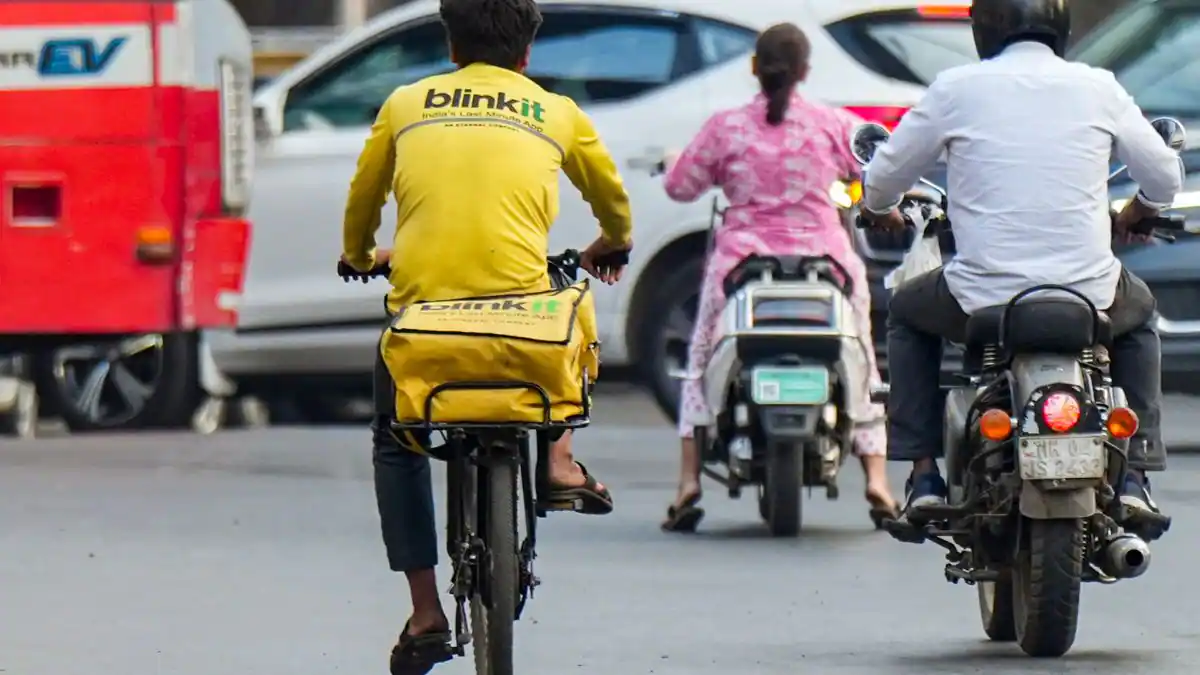
Eternal-owned quick-commerce platform Blinkit has dropped its ‘10-minute’ delivery claim following intervention by the Central government. Other platforms like Swiggy and Zepto are also likely to follow suit.
Blinkit has updated its tagline from “10,000+ products delivered in 10 minutes” to “30,000+ products delivered at your doorstep”. This comes after discussions between quick-commerce companies and the Union Ministry of Labour on concerns of delivery partners about ultra-fast delivery deadlines.
We take a closer look.
STORY CONTINUES BELOW THIS AD
How quick commerce works
Quick commerce is the rapid delivery of goods – typically between 10 and 30 minutes – ordered online.
India’s expectation of products being delivered within half an hour boomed during the Covid-19 pandemic.
Platforms like Blinkit, Swiggy Instamart and Zepto have heavily invested in “dark stores”, which are warehouses stocked like retail stores but not open to the public.
More from Explainers
India pulls the brakes on 10-minute delivery by quick commerce firms to protect gig workers
Nvidia says no upfront payment needed for its H200 chips amid US-China tech tensions
Real-estate broker Savills Plc projects a major growth in dark stores by 2030 to 7,500 from 2,500, as the demand for quick-commerce apps surges in smaller Indian cities.
Delivery partners collect orders from these dark stores and use mainly two-wheelers, such as motorcycles or electric e-scooters, to deliver the items to the customer’s address.
The quick-commerce industry has been a disruptive force in India. About 200,000 kirana stores have been forced to close due to pressure from q-commerce companies, according to the trade body All India Consumer Products Distributors Federation (AICPDF).
Quick Reads
View All
How powerful is Iran’s military? Can it take on the US if it attacks?
Young people are lonely in China. Now, there’s the ‘Are You Dead’ app for them
A survey by Datum Intelligence found that q-commerce has reduced consumers’ spending on kirana stores by around $1.28 billion, with 46 per cent of respondents reporting a partial or major shift in expenditure, reported Indian Express.
Over 20 million (two crore) people in India are estimated to place orders on q-commerce platforms every year. Blinkit makes up for over 40 per cent of the quick-commerce market share — the largest of all.
STORY CONTINUES BELOW THIS AD
As many as 23.5 million (2.35 crore) people will enter India’s gig economy by 2030, a threefold rise over a decade, as per ThePrint.
Why India has shelved 10-minute delivery model
Blinkit has removed its 10-minute delivery promise across platforms, while other companies are expected to follow in its footsteps.
This change comes after Union Labour Minister Mansukh Mandaviya met representatives of the quick-commerce platforms such as Zomato, Swiggy, Blinkit and Zepto, asking them to prioritise the safety of delivery partners, reported NDTV.
Zepto, Swiggy Instamart and BigBasket are likely to remove similar branding promising super-fast deliveries on the Google Play Store and Apple’s App Store.
The Labour ministry has urged these companies to ensure improved safety, job security and better working conditions for gig workers.
The development comes weeks after delivery partners staged nationwide strikes on New Year’s Eve 2025 and Christmas Day. Over 200,000 riders reportedly refused to deliver food, grocery and other orders nationwide on December 31, demanding fair pay, safety, and dignity.
Delivery workers argue that 10-minute targets pressure them to take risks on the road while also restricting their ability to earn fairly. With an unstable income and low base pay, they are being pushed to ride hundreds of kilometres a day. Amid poor pay, the rising fuel costs leave hardly anything in the hands of these workers, who do not even receive social security benefits.
STORY CONTINUES BELOW THIS AD
The safety and security of these gig workers have become a major concern as they have to work without adequate legal protection and undertake risks of accidents and injuries while delivering orders within stipulated times.
During the recent strikes, workers called for a ban on 10-minute deliveries.
In a letter to Union Labour Minister Mandaviya, the Indian Federation of App-based Transport Workers (IFAT), the key union behind the strikes, also demanded fair and transparent wages, regulation of the companies under the labour codes, and recognition of the delivery partners’ right to organise and collectively bargain, and so on.
“The government must intervene immediately. Regulate platform companies, stop worker victimisation, and ensure fair wages, safety, and social protection. The gig economy cannot be built on the broken bodies and silenced voices of workers,” Shaik Salauddin, co-founder and national general secretary of IFAT, was quoted as saying by Indian Express.
Eternal Group CEO Deepinder Goyal had addressed the controversy, defending the ultra-fast delivery model. He claimed that it does not encourage unsafe driving. In a post on X, Goyal explained that delivery partners do not see customer-facing delivery timers on their apps and are not directly under pressure to meet the 10-minute promise.
STORY CONTINUES BELOW THIS AD
“Faster deliveries happen because our stores are located close to customers, not because riders are asked to speed,” he wrote, saying that the system is designed to prioritise efficiency over risk.
After Blinkit changed its branding, AAP MP Raghav Chadha, who has been raising the concerns of gig workers, welcomed the Centre’s move.
“Satyamev Jayate. Together, we have won. I am deeply grateful to the Central Government for its timely, decisive and compassionate intervention in enforcing the removal of the ‘10-minute delivery’ branding from quick-commerce platforms. This is a much-needed step because when ‘10 minutes’ is printed on a rider’s tshirt/jacket/ bag and a timer runs on the customer’s screen, the pressure is real, constant, and dangerous. This step will guide ensure safety of the delivery riders, and everyone who shares our roads,” he posted on X.
Satyamev Jayate. Together, we have won..
I am deeply grateful to the Central Government for its timely, decisive and compassionate intervention in enforcing the removal of the “10-minute delivery” branding from quick-commerce platforms. This is a much needed step because when…
— Raghav Chadha (@raghav_chadha) January 13, 2026STORY CONTINUES BELOW THIS AD
Earlier this year, the government notified the Code on Social Security, bringing gig and platform workers under a formal welfare framework, enabling their registration on a national database. This has also opened access to schemes covering health, disability, accident insurance and old-age support for these workers, ensuring basic protections.
With inputs from agencies
Follow Firstpost on Google. Get insightfulexplainers, sharpopinions, and in-depthlatest headlines on everything from geopolitics and diplomacy toWorld News. Stay informed with the latest perspectives only on Firstpost.TagsIndiaHomeExplainersNo more 10-minute delivery from Blinkit, Swiggy. Here is whyEnd of Article