Nothing CEO predicts smartphones cost hike in 2026, here’s why – Firstpost
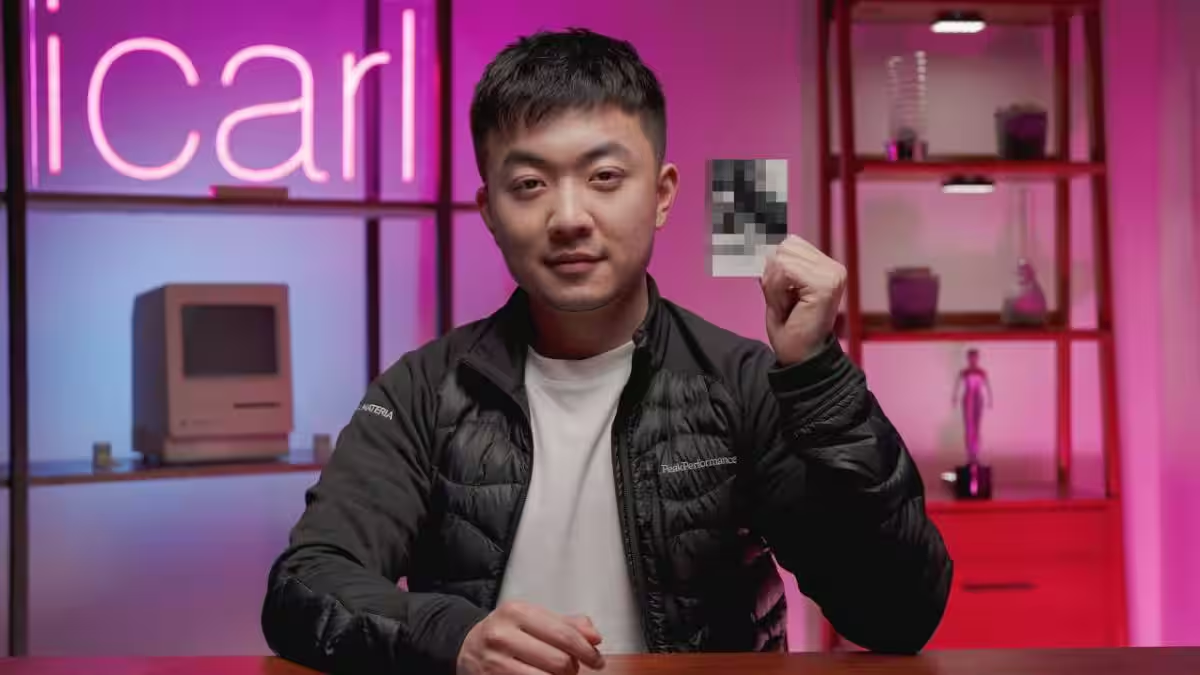
If you’ve been eyeing a latest smartphone for 2026, brace yourself, it might cost more than you’d like. Carl Pei, the co-founder and CEO of Nothing, has warned that rising memory component prices are set to send smartphone costs soaring across the industry.
In a candid post on X, Pei noted that 2026 could be an “unprecedented” year for consumer electronics, where the very components that make our gadgets faster and more capable will also make them more expensive. The culprit? A global spike in NAND and DRAM memory prices, the same chips used in both smartphones and AI data centres.
STORY CONTINUES BELOW THIS AD
https://t.co/ynfCSXu0Yh
— Carl Pei (@getpeid) January 14, 2026More from Tech
Trump escalates tariff war, slaps 25% duty on AI chips
Google unveils Personal Intelligence, a Gemini feature challenging Apple: Here's how you can use it
According to Pei, these twin pressures mean smartphone makers will soon face a difficult choice, raise prices or cut corners on specifications. And in Nothing’s case, he’s made it clear, the company is opting for the former.
Carl Pei confirms fresh models, but says it won’t come cheap
Pei confirmed that Nothing plans to launch several modern models in the first quarter of 2026, but those devices won’t come cheap. As the prices of memory components surge, he stated smartphone manufacturers, including Nothing, will be forced to increase retail prices by as much as 30 per cent or more.
“It’s inevitable,” Pei stated, noting that rising demand from AI-focused data centres has created a serious crunch in memory supply. He added that while many brands might attempt to keep costs down by reducing specs, Nothing won’t compromise on performance.
Quick Reads
View All
Google unveils Personal Intelligence, a Gemini feature challenging Apple: Here's how you can use it
Starlink fears grip Iran regime: Has satellite internet become fresh battlefield?
Instead, the company aims to maintain its focus on delivering meaningful user experiences rather than getting caught in the “specs race.” Pei suggested that 2026 could mark the year that smartphone brands finally stop chasing numbers and start concentrating on practical innovation.
Despite the looming rate hikes, Pei claimed that Nothing still holds some cost advantages compared to larger players, given its leaner operations and focus on efficiency. But he didn’t sugarcoat the overall outlook, higher memory costs will ripple through the industry, affecting both flagship and mid-range devices alike.
STORY CONTINUES BELOW THIS AD
Research suggests similar findings
Pei’s warning isn’t just one company’s prediction, it’s part of a broader shift already being documented across the smartphone industry. At CES 2026, Samsung’s President and Chief Marketing Officer, Won-Jin Lee, reportedly reported that the ongoing memory chip shortage is worsening, and that it may soon push the company to raise its device prices.
Independent research backs that up. Counterpoint analysts have found that the explosive demand for AI infrastructure is triggering a ripple effect that’s reaching everyday consumers. Data centres, which rely heavily on advanced memory chips to power AI models, are soaking up massive supply, leaving smartphone makers to fight over what’s left.
Both AI servers and next-generation smartphones use the same DRAM and NAND chips, which are crucial for rapid multitasking and smooth performance. But since AI data centres are far more profitable customers, chipmakers are prioritising them, squeezing out lower-margin smartphone manufacturers in the process.
Counterpoint’s report warns that this imbalance won’t resolve anytime soon. In fact, memory prices could climb by as much as 40 per cent through the first half of 2026, adding significant strain to smartphone production costs.
STORY CONTINUES BELOW THIS AD
The rising cost of memory is already being felt in the bill of materials (BoM), the total cost of all components inside a phone. Budget smartphones under $200 have seen their production costs jump between 20 and 30 per cent in just a year. Mid-range and flagship phones have also been affected, with BoM increases of 10 to 15 per cent.
With AI investment showing no signs of slowing, 2026 might well become the year where the cost of artificial intelligence meets the consumer’s wallet. For now, Carl Pei’s warning seems less like a prediction and more like an inevitability, one that could make your next smartphone a pricier purchase than you planned.
TagssmartphonesHomeTechNothing CEO explains why smartphones will cost you more in 2026End of Article