Pongal festival: A guide to Tamil Nadu's harvest celebration – Firstpost
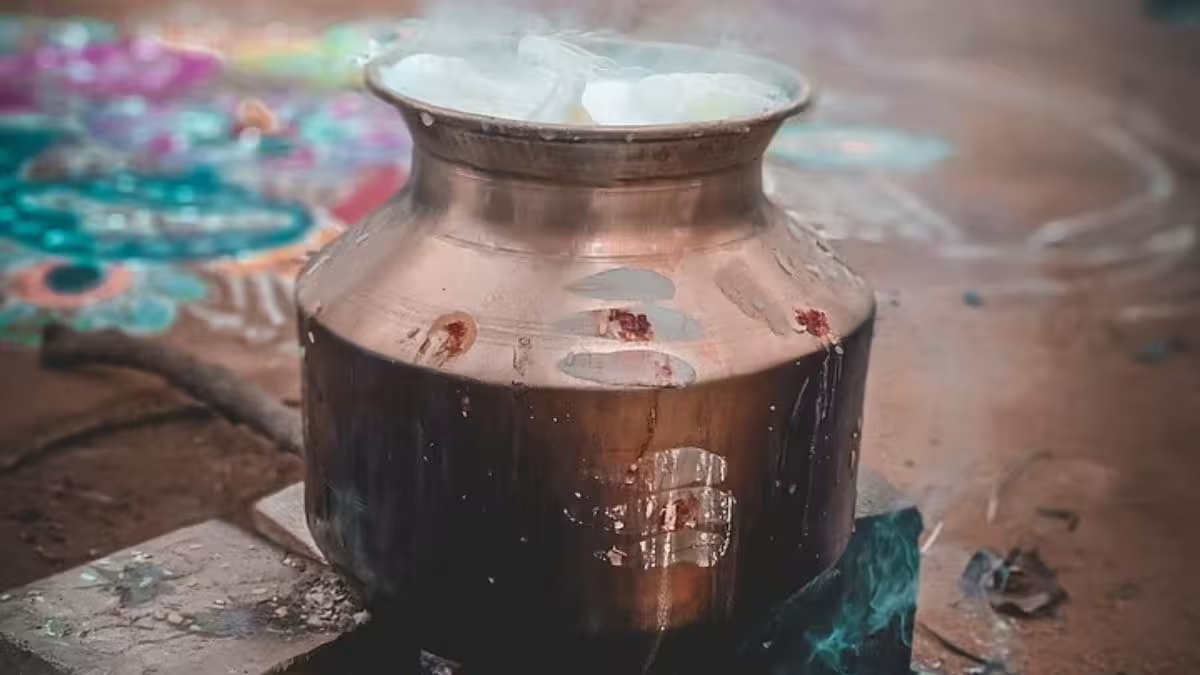
Pongal festival is one of the most vibrant and widely celebrated harvest festivals of Tamil Nadu and a cornerstone of Tamil culture.
Observed every January, this festival marks the beginning of the Tamil month of Thai, and the celebrations span four days of Pongal, each with its own unique significance.
From Bhogi Pongal and Surya Pongal (Thai Pongal) to Mattu Pongal and Kaanum Pongal, the celebration is filled with traditional rituals, joyous family gatherings, and elaborate celebrations.
STORY CONTINUES BELOW THIS AD
The festival combines age-old traditions, rituals, and history with the delight of preparing festive dishes, drawing colorful Pongal kolam, and offering prayers to nature and the Sun God.
More from Lifestyle
What Pongal 2026 is about and the dos and don’ts to know
Kurdish fighters agree to withdraw from Aleppo under ceasefire after clashes
For anyone looking for a complete Pongal festival guide, understanding the Pongal significance and the customs surrounding this South Indian harvest festival, consider yourself fully covered.
Origins and significance of Pongal
The word “Pongal” literally means “to boil over”, symbolizing prosperity and abundance.
The festival originated in agrarian communities, where the successful harvest of crops, especially rice, was a matter of both sustenance and celebration.
Farmers expressed their gratitude to the Sun God, Indra (the rain god), and livestock that played a crucial role in agriculture.
Pongal is much more than a harvest festival; it is a reflection of Tamil culture, tradition, and community spirit. It strengthens family bonds, encourages social harmony, and preserves centuries-old agricultural practices.
Quick Reads
View All
Is Japan’s Mirumi the Labubu of 2026?
When and how is Pongal celebrated?
Pongal is a four-day celebration with each day carrying its own set of rituals and traditions.
1. Bhogi Pongal
The festival begins with Bhogi Pongal, dedicated to Lord Indra, the rain god. Homes are cleaned thoroughly, old and unused items are discarded, and kolam (rangoli) patterns are drawn on doorsteps. Bonfires are lit using old wooden materials to symbolize letting go of the past and welcoming innovative beginnings.
2. Thai Pongal
The second day, Thai Pongal, is the main event of the festival. On this day, freshly harvested rice is cooked with jaggery, milk, and ghee in novel clay pots, allowed to boil over as a symbol of prosperity.
This sweet dish, known as sakkarai pongal, is offered to the Sun God and shared with family and neighbors.
Homes are decorated, prayers are offered, and family members gather to celebrate the harvest.
3. Mattu Pongal
Mattu Pongal is dedicated to cattle, especially cows and bulls, which are essential in farming. Animals are bathed, decorated with flowers, bells, and turmeric, and offered special feed.
In rural areas, bull-taming sports like jallikattu are part of the celebration.
This day acknowledges the contribution of livestock to agriculture and the well-being of the community.
STORY CONTINUES BELOW THIS AD
4. Kaanum Pongal
The festival concludes with Kaanum Pongal, a day for social visits, family outings, and community gatherings.
People visit relatives and friends, exchange gifts, and enjoy outdoor games. This day symbolizes social harmony and reinforces bonds within the community.
Traditional Pongal dishes that people enjoy
Food is central to the festival, with each dish symbolizing prosperity and togetherness. While sakkarai pongal is the star sweet dish, a traditional Pongal feast includes:
Ven pongal: A savory rice and moong dal dish cooked with ghee, cumin, pepper, and cashews.
Sambar: A hearty lentil stew with seasonal vegetables like drumstick or pumpkin.
Kootu and poriyal: Mildly spiced vegetable and lentil dishes cooked with coconut or simple tempering.
Ulundhu Vadai: Crispy lentil fritters that add crunch to the meal.
Payasam: Sweet, aromatic milk or vermicelli pudding, lightly flavored with cardamom.
Cultural practices and traditions followed on Pongal
During the four-day festivities, people celebrating Pongal indulge in a host of traditions.
From decorating their space to participating in fun games, the celebrations take a vibrant and joyous turn, bringing families and communities together in gratitude and festivity.
Kolam art: Kolam art involves drawing intricate rice flour patterns at the entrance of homes. It is a significant Pongal tradition. Kolams are considered auspicious and are known to invite prosperity.
STORY CONTINUES BELOW THIS AD
Decorations: When it comes to decor, homes are adorned with mango leaves, sugarcane stalks, turmeric, and banana leaves.
Cattle honoring: Cows and bulls are bathed, garlanded, and worshipped on Mattu Pongal, reflecting gratitude for their role in agriculture.
Community bonding: Villages organize games, dances, and fairs. In urban areas, people still gather to share food and celebrate the festival together.
HomeLifestylePongal festival: A guide to Tamil Nadu's harvest celebrationEnd of Article