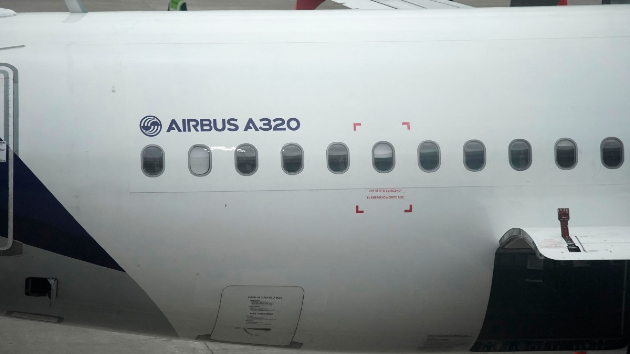
Global airlines scrambled Saturday to address a software bug on Airbus A320 jets as a partial recall by Airbus grounded hundreds of flights in Asia and Europe and threatened U.S. travel during the busiest weekend of the year. Many airlines have warned of delays and cancellations following a warning from Airbus, which suggested up to 6,000 active A320 planes may need upgrades due to a software bug. Has the Airbus software bug been resolved? Are the planes operational? According to a report by Reuters, airlines worked through the night after global regulators instructed them to fix the issue before resuming flights. Several airlines, including United Airlines, Air India, Delta Air Lines and Hungary’s Wizz Air, said on Saturday that they had finished or nearly finished repairing their fleets. Many reported no impact on operations. Less than 24 hours after Airbus issued the warning, airlines including American Airlines, IndiGo, and easyJet Plc, the largest operators of the A320, reverted to a previous version of the software for most of their fleets, allowing them to maintain largely normal operations, Bloomberg reported. American Airlines announced Saturday that only four of its 209 affected planes still needed maintenance. Meanwhile, Delta Air Lines Inc. and United Airlines Inc. separately stated that the A320 software issue had no impact on their operations. IndiGo has announced the completion of a mandatory Airbus system upgrade across its entire A320 family fleet, confirming that all 200 aircraft are now fully compliant with the latest safety requirements. Meanwhile, Air India has successfully completed the reset on more than 90% of its operational A320 family aircraft that required an update, the airline said in a post on X. Steven Greenway, chief executive of Saudi carrier Flyadeal, said the cancellation occurred late in the evening, preventing more serious disruptions. The airline said it had repaired all 13 affected jets and planned to resume normal operations by midnight. Hungarian discount airline Wizz Air Holdings Plc, with a fleet of about 250 Airbus planes, said it completed the upgrades on all affected Airbus A320 family planes overnight. Flight operations have now returned to normal. What should travelers expect? Amid high demand due to the Thanksgiving holiday period, U.S. Transportation Secretary Sean Duffy said affected U.S. carriers “reported great progress, and are on track to meet this Sunday’s midnight deadline to complete the work.” “Travelers should NOT expect any major disruptions,” Duffy said in a post on X, adding that all affected US airlines are on schedule to complete required aircraft work by the Sunday midnight deadline. What is the Airbus software issue? Airbus announced on Friday that high levels of solar radiation could corrupt vital flight control data in many A320 family aircraft. Implementing the necessary software updates to resolve this issue is expected to cause operational disruptions. The update mainly involves reverting to earlier software versions, and planes must undergo this change before they are allowed to fly again, according to an airline bulletin reviewed by Reuters. Several airlines have warned that completing these repairs could cause delays or cancellations. Aircraft requiring the fix must revert to the previous software version, and uploading data will likely take as little as 2 to 3 hours. However, up to 1,000 older jets required a physical hardware upgrade and were grounded during the maintenance period, Bloomberg reported, citing people familiar with the development. Friday’s warning came after an accidental loss of altitude on a JetBlue flight from Cancun, Mexico, to Newark, New Jersey, on October 30. This incident resulted in injuries to 10 passengers, and France’s BEA accident agency is investigating according to multiple reports. Airbus CEO Guillaume Faury apologized to airlines and passengers after the unexpected recall. “I would like to sincerely apologize to our airline customers and passengers who are now affected,” Faury posted on LinkedIn. How many planes were affected? The European manufacturer reported that more than 6,000 aircraft were affected by the flaw, which accounts for more than half of the global A320 fleet, potentially risking data corruption essential to flight control systems under specific circumstances.

 السعودية
 الكويت
 مصر
مصر الإمارات
 لبنان
لبنان البحرين
 الأردن
 فلسطين
 اليمن
اليمن المغرب
 ليبيا
ليبيا تونس
تونس عمان
عمان العراق
 الجزائر