الأرشيف الشهري: ديسمبر 2025

Is your hair falling out because of these mistakes? Know the right methods of Ayurveda

Is your hair falling out because of these mistakes? Know the right methods of Ayurveda

New Delhi, December 2 (IANS). Hair care is considered very important in Ayurveda. It has been said since ancient times that hair not only promotes beauty but is also the backbone of our health and lifestyle. According to Ayurveda, the nature of each person’s body is different and the way to nourish it also changes depending on Vata, Pitta and Kapha. It is important to take care of using the right oil, right amount, right temperature and right time, etc. Nowadays, people apply oil to their hair, but often due to some small mistakes, they don’t get the benefit and the hair starts looking weak or dry. The biggest mistake people make is applying too much oil. People think that by applying more oil the hair will become shiny and stronger, but in reality it is not so. If there is excess oil in the hair, it will become sticky and it will be difficult to wash the hair. It is said in Ayurveda that oil should be applied only as much as the hair and scalp require. A little oil, which can easily reach the scalp with fingers, is sufficient. It provides nourishment to the hair roots and makes the hair stronger. Another big mistake is using very hot oil. Too hot oil can be harmful to both hair and scalp. As a result, hair loses its moisture and begins to break. Therefore, the oil must be lukewarm, so that it can nourish the hair roots, but not harm the hair and scalp. The application of lukewarm oil not only strengthens the hair, but also increases its shine. Sleeping with oil overnight is also not the right way. In earlier times, people applied oil and slept overnight, but nowadays there is more dust and dirt in the air. If you leave oil overnight, dust can build up on the head and cause itchiness or infection in the hair. Therefore, after applying oil, it is better to wash the hair after doing a light massage for about half an hour. It provides the necessary nourishment to the hair and keeps the head clean. Often people apply oil every day, but this habit is not right. Applying oil daily makes the hair tougher and reduces the scalp’s ability to produce its own oil. According to Ayurveda, the application of oil two or three times a week is sufficient. It keeps the hair strong, their shine is maintained and nutrition reaches the hair roots properly. Choosing the right oil is also very important. Everyone’s hair needs are different. If hair is dry, brittle or falling out, coconut, almond or amla oil is good. It retains moisture in the hair and strengthens the roots. If hair becomes oily quickly or hair feels very sticky, olive oil or castor oil should be used. It strengthens the hair and keeps the scalp balanced. Choosing the wrong oil can damage the hair and also reduce its shine. –IANS PK/AS

There is a different energy in the name of my character in Kishore Tirumala’s upcoming film: Dimple Hayati

There is a different energy in the name of my character in Kishore Tirumala’s upcoming film: Dimple Hayati

Hyderabad, December 2 (IANS). Tollywood fans are very curious about director Kishore Tirumala’s upcoming film ‘Bharat Mahasayulaku Vignyapati’. There will be strong action and a dash of comedy in it. Actor Ravi Teja will be seen impressing the audience with his new style. This time there are also two female lead characters in the story, which further enhances the excitement and entertainment of the film. The film’s new song ‘Bela Bela’ was launched at an event. This song was filmed on Ravi Teja and Ashika Ranganath. In this event, actress Dimple Hayati spoke about her character and her experience of the film. Dimple said, “After a long time, I played a character that is very special to me. My character in the film is called Balamani. The name itself gives a certain energy and impact.” He credited director Kishore Tirumala and said that it was he who made Balamani in such an impactful and memorable form. completely different role. This time the audience will see something new and different.” Dimple praised the song ‘Bela Bela’ and said that this song is very beautiful and attractive. This song was filmed on Ravi Teja and Ashika Ranganath. Dimple also spoke about her experience of working with Ashika Ranganath. He said that people often believe that if there are two heroines in a film, there will be a conflict of Aashika on the sets, but he will have a lot of fun between them. is a wonderful actress and it was a pleasure to work with her. The film ‘Bharath Mahasayulaku Vignyapati’ is produced by Sudhakar Cherukuri and presented under the banner of SLV Cinema. seen in important roles in the film. The plot of the film is a mix of action and comedy, which will give the audience a thrill as well as a laugh –IANS PK/AS

Lok Sabha to discuss ‘Vande Mataram’ on December 8 and electoral reforms on December 9: Kiren Rijiju

Lok Sabha to discuss ‘Vande Mataram’ on December 8 and electoral reforms on December 9: Kiren Rijiju

New Delhi, December 2 (IANS). The winter session of Parliament continues. On Tuesday, there was a debate between the government and the opposition in the Rajya Sabha on the discussion on electoral reforms, but after this consensus was reached in the all-party meeting to discuss the electoral reforms. Union Parliamentary Affairs Minister Kiren Rijiju gave this information on social media platform X. Union Minister Kiren Rijiju said that in the all-party meeting chaired by Lok Sabha Speaker Om Birla, it was decided that a discussion on the 150th anniversary of the national song ‘Vande Mataram’ will be held in the Lok Sabha on Monday, December 8 and a discussion will be held from December 12 on Tuesday, December 8 and reform will be held from December 12. 12 noon. Parliamentary Affairs Minister Kiren Rijiju earlier said in the House that the government is fully ready to discuss electoral reforms in light of the demands of the opposition, but the condition of keeping it above all other scheduled tasks is not acceptable. He said: “I am glad that all the members of parliament are sitting patiently. The government is ready to discuss electoral reforms, but the opposition should not set the condition that it should be taken up before all other parliamentary matters.” He said that many important topics should be discussed. In the first meeting of the Business Advisory Committee, the government proposed a special discussion on the 150th anniversary of Vande Mataram and this discussion was included in the list. The Union minister said that electoral reform is also an important topic, while Vande Mataram is an issue related to the freedom struggle. At the same time, many members also want to raise issues related to their respective states. Therefore, all subjects must be taken in order. He appealed to the opposition and said please do not insist that this discussion be held within a specific time limit. The government is ready, but let the House complete the listed business. Leader of the Opposition in Rajya Sabha Mallikarjun Kharge rejected the government’s argument and said that the notice given under Rule 267 should be given top priority. –IANS MS/VC Share this story Tags

Sanchar Saathi Controversy: What permissions will the government app ask for on your new phone?

Sanchar Saathi Controversy: What permissions will the government app ask for on your new phone?

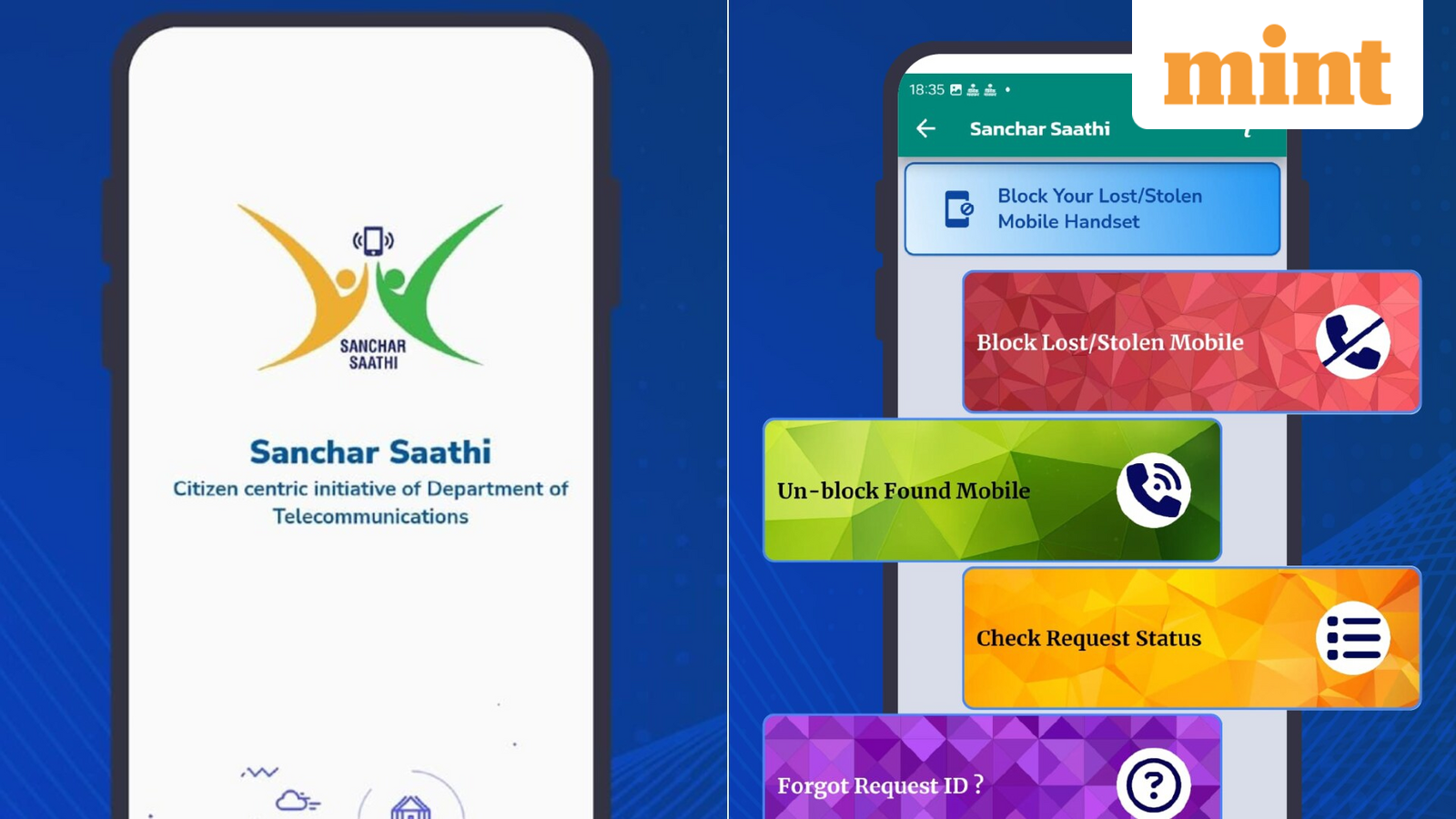
The Department of Telecommunications (DoT) has directed smartphone manufacturers like Apple, Oppo, Vivo and Xiaomi to pre-install the Sanchar Saathi app on their new devices to be launched in India. The cybersecurity app launched earlier this year will also need to continue through software updates to already manufactured devices. The Union government has given a timeline of 90 days for smartphone manufacturers to complete the implementation and submit the report within 120 days. The department says that this initiative aims to ‘restrict misuse of telecommunications resources for cyber fraud and ensure telecommunications cyber security.’ If this is the first time you’re hearing about the Sanchar Saathi app, here’s everything you need to know about it and the permissions it might ask for on your new device. What is Sanchar Saathi? Sanchar Saathi is a government run app which is a successor to the portal of the same name. The app is available on both the iOS and Android and has been downloaded more than 5 million times since its launch. Once the app is installed on their device, users can block lost or stolen mobile phones across all telecom networks in the country. This allows the law enforcement agencies to track his location when the blocked device is used anywhere in the country. The app also allows users to check all the mobile connections registered under their name and report those that do not belong to them. There is also a ‘Chakshu’ facility in the app which gives users the option to report fraudulent calls, SMS or WhatsApp messages. Regarding the reason behind pre-loading the app on your new device, the government says, “TCS Rules empower the Central Government to issue directions to manufacturers of telecommunication equipment bearing International Mobile Equipment Identity (IMEI) number to provide assistance as required in respect of tampered telecommunication equipment or IMEI number. The Rules also direct that such manufacturers or importers shall ensure compliance with the purpose of the government by complying with the purpose of the issuers give. rules.” “Mobile phones carrying duplicate or fraudulent IMEI pose serious threat to telecom cyber security. Spoofed/tampered IMEIs in telecom network lead to situation where same IMEI works on different devices at different locations simultaneously and poses challenges in action against such IMEIs. India observed huge “C second hand official mobile device market where also not read”. Blacklisted devices are resold. This makes the buyer face crime and it causes financial loss. It was initially believed that the Sanchar Saathi app would be uninstallable, but the Union Minister Jyotiraditya Scindhia clarified that this will not be the case. After installing the Sanchar Saathi app on our Android device, we found that the app will require access to a host of permissions, such as call logs, phone calls, and SMS up to internet connection required to connect with the servers.

Sennheiser HDB 630 vs Sony WH-1000XM6: The latest flagship headphones compared

Sennheiser HDB 630 vs Sony WH-1000XM6: The latest flagship headphones compared

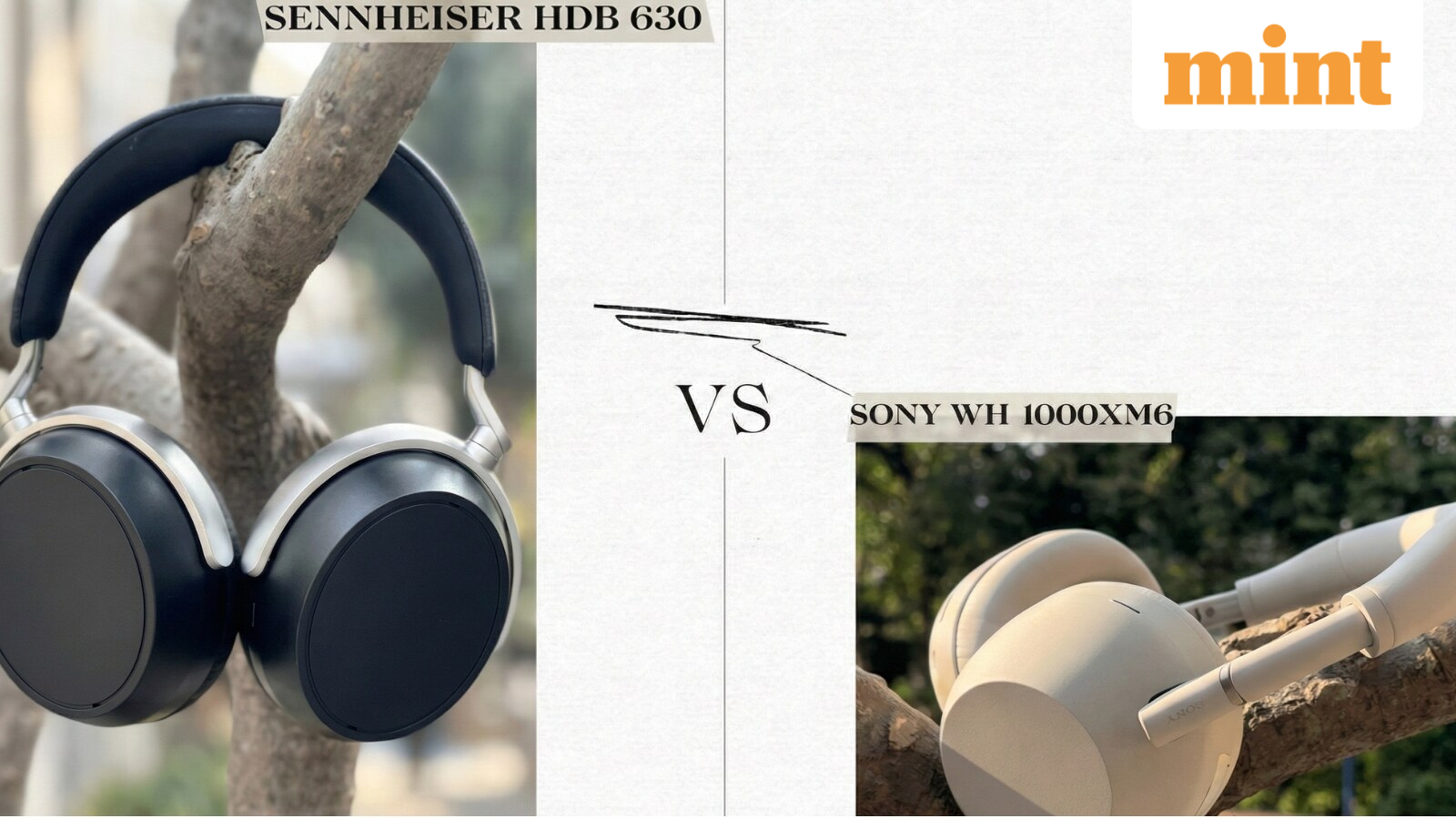
Sennheiser HDB 630 and Sony WH 1000XM6 sit in the same part of the headphone world. Both are wireless, both have noise cancellation and both promise long battery life with app control. On paper they look very close. The real difference shows in daily use and in the kind of listener that suits each. Sony WH 1000XM6 feels like the easy choice for everyday life. It is light, folds into a small case and slips into a pocket without taking up much space. The headband and ear cups feel familiar if you’ve used the older 1000X models. You can wear it through office hours, long flights or a day of calls and it mostly disappears on your head. Sennheiser HDB 630 feels more like home audio equipment that you put on and stay with for a while. The ear cups are larger and the padding is thicker. The headband feels wider and more padded. On the head, it creates a soft, calm fit that works well at a desk or on an airplane. The trade-off is that it looks and feels bigger and takes up more room in a backpack. Noise cancellation is an area where Sony still feels ahead. The WH 1000XM6 handles low hum from aircraft, traffic and office air conditioners very well. The app adds little touches like changing sound modes based on your location and lowering the volume when you start talking. These small details make life easier when you move between metro, office and home in one day. HDB 630 also has active noise cancellation. It cuts outside noise well enough for flights and open offices. It feels a little more careful with how it touches the sound. You still hear your music in a natural way instead of feeling like everything is being pushed. Both headphones offer transparency modes so you can hear announcements or quick chats without taking them off. Sound is where the two start targeting different people. HDB 630 leans towards a cleaner and more neutral tone. Bass remains tight rather than heavy. Vocals sit clearly in the middle and the top end feels clear without sharp turns. The app gives you deeper control over equalizer settings, so you can shape the sound if you like to tweak things. Sony WH 1000XM6 brings a warmer and fuller sound. There’s more weight in the low end and it works well for pop, hip-hop and mixed-stream playlists. Mids and detail have improved over older Sony models, but the overall feel is still relaxed and friendly. This is the kind of sound that many people will love right out of the box. Battery life is another place where Sennheiser excels. HDB 630 is made for long listening with noise cancellation on. For many people, it will be a few busy days before they even think about charging. Sony WH 1000XM6 still last long enough for travel and work weeks, just not as long as the Sennheiser. In return, you get smoother app features, clear call quality, and easier switching between phone and laptop. So the choice is less about which one is better and more about which one suits your day. Sony WH 1000XM6 makes sense if you want one pair that can handle travel, office work, calls and daily music with almost no effort. Sennheiser HDB 630 suits someone who cares more about sound quality and long battery life and doesn’t mind a slightly larger fit on the head.

Multibagger small-cap stock jumps more than 15% after this MoU update. Details here

Multibagger small-cap stock jumps more than 15% after this MoU update. Details here

Multibagger small-cap stock: Websol Energy System Ltd shares rose more than 15% during the stock market session on Tuesday, December 2, 2025, after the company announced that it had entered into a Memorandum of Understanding (MoU) with global leader Linton, according to a stock exchange filing. Websol shares surged over 15% to hit their intraday high of ₹117.10 on December 2, 2025, from the previous market close of ₹101.35, following the MoU update. Websol Energy stock price trend Websol Energy shares closed 6.46% higher at ₹107.90 after Tuesday’s stock market session, compared to ₹101.35 at the previous market close. The company announced its MoU update during the afternoon market session on December 2, 2025. Shares of Websol Energy have given stock market investors over 4.117% returns on their investments over the past five years. However, the company’s stock has fallen by more than 16% in the last one-year period. On a year-to-date (YTD) basis, Websol Energy shares are down 38.67% in 2025, and lost 15.30% in the last one-month period. The company’s stock is trading 3.53% lower in the last five market sessions on the Indian stock market. According to BSE data, shares of Websol Energy System touched their 52-week high of ₹189.11 on 8-Jan-2025, while the 52-week low stood at ₹80.22 on 5-Mar-2025. December 2, 2025. (This is a developing story. Please check back for updates) Read all stories by Anubhav Mukherjee Disclaimer: This story is for educational purposes only. The views and recommendations above are those of individual analysts or brokerage firms, not Mint. We advise investors to check with certified experts before making any investment decisions.

‘Bomb blast at 7pm’: Bengaluru airport, several malls get threat email; ‘This is warning from Jaish-e-Mohammed’

‘Bomb blast at 7pm’: Bengaluru airport, several malls get threat email; ‘This is warning from Jaish-e-Mohammed’

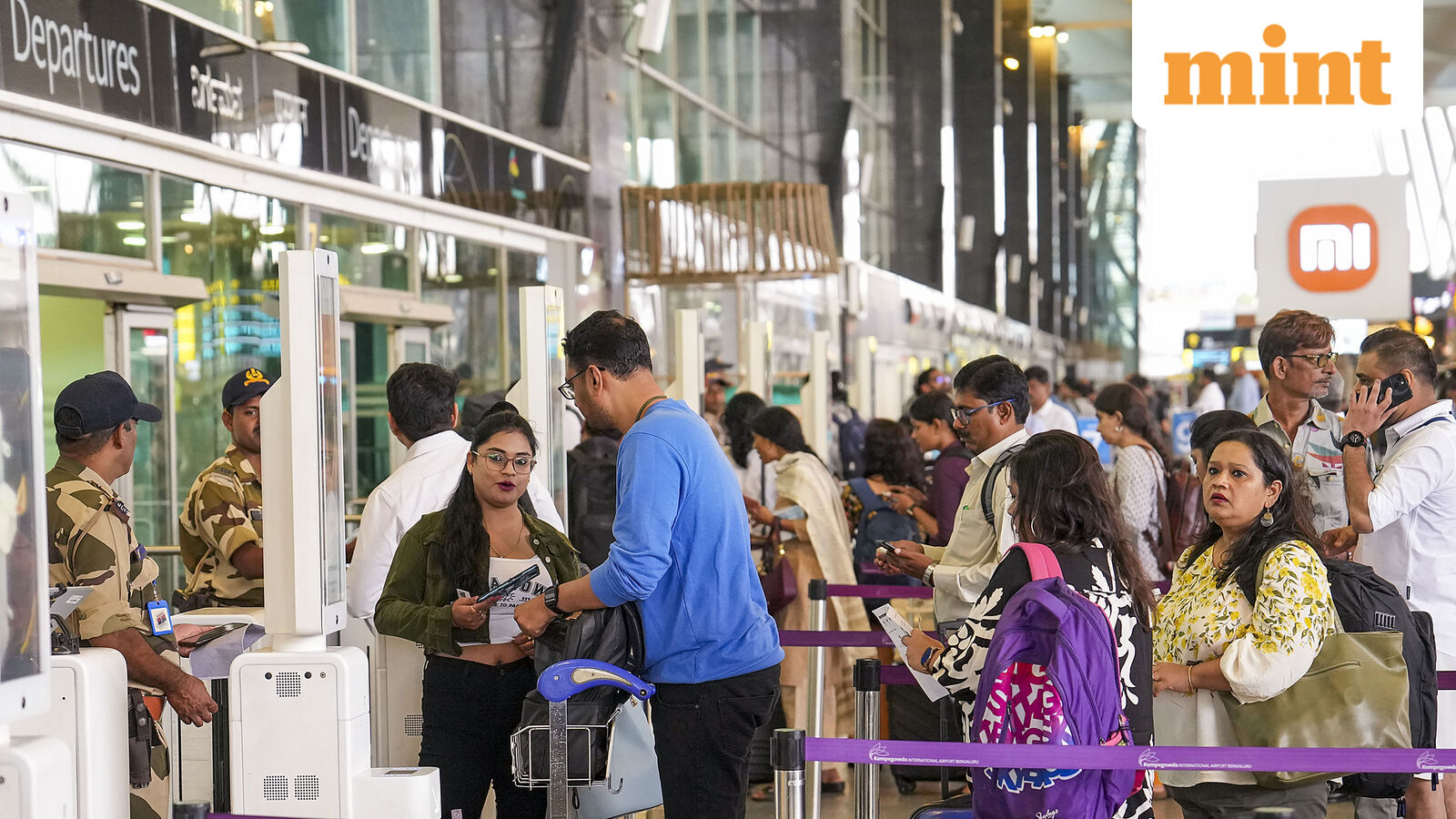
The Bengaluru city police commissioner received a bomb threat on his official email on November 30, warning of attacks at Kempegowda International Airport and several malls in the city. The email, which was sent under the name “Mohit Kumar”, prompted the police to register an FIR under Section 173 of the Bharatiya Nagarik Suraksha Sanhita, ANI reported. The threat post reads: “This is a warning from the Jaish-e-Mohammed White Collar Terror Team. We have targeted Kempegowda International Airport, Bengaluru, Orion Mall, Lulu Mall, Forum South Mall, Mantri Square Mall, and Lulu Mall for a bomb blast at 7 pm onwards. Thanks to our Allah and our master Mohit for serving our nation, better to serve a new update”

Is India’s growth real? Making sense of IMF’s rating and GDP data

Is India’s growth real? Making sense of IMF’s rating and GDP data

Copyright © HT Digital Streams Limited All rights reserved. Many economists point to 8.7% growth in nominal GDP, down from 8.8% in the April-June quarter and 10.8% in the January-March quarter. (Image: Pixabay) Summary While the GDP data issues are not new, what is new is the rating system by the IMF—launched last year—that has brought to public attention what experts have been saying for nearly a decade, India’s GDP data has always puzzled experts. Last week, the news of a ‘C’ rating by the International Monetary Fund (IMF), which highlighted shortcomings in the data, stunned the general public, which was unsure what to make of an impressive growth performance of 8.2% in the July-September quarter. While the GDP data issues are not new, what is new is the rating system by the IMF – launched last year – which has brought to public attention what experts have been saying for nearly a decade. A ‘C’ rating means India’s GDP data has “some shortcomings that somewhat hinder surveillance”. To begin with, the fundamental issue is the use of a base year from more than a decade ago, specifically 2011-12. In addition, opacity in the use of deflators to calculate growth after stripping out the effect of inflation, large mismatches in estimates between the production and expenditure approaches, and insufficient coverage of the informal sector are some other issues. This made India and China only two prominent countries in the world that have high growth records but with insufficient or suspect data. Even emerging Vietnam, which has a poor overall statistical record, scored an ‘A’ on GDP data quality. Latest Impact The issues highlighted by the IMF have long plagued GDP numbers, resulting in official growth numbers sometimes out of line with broader expectations. This also played out in the last quarter, making growth of 8.2% in the second quarter a less reliable indicator of underlying economic activity. The main identifiable culprits behind real GDP growth rising despite slowing nominal GDP were deflator issues and large discrepancies in data. First, the variance – the gap in estimates between production and expenditure – was extremely high, especially in the second quarter. Of the ₹3.7 trillion increase in GDP at constant prices from the production side, ₹1.84 trillion were discrepancies. This means that the ministry has not been able to allocate about half of the economic momentum under proper expenditure heads—consumption, investment or trade. Strip that away, and growth momentum comes down to just 4.1%. This means that either the estimates in the production approach have been overestimated or the expenditure approach has been underestimated. An overestimate is likely, as wholesale inflation, which was just 0.02% in Q2, is excessively used to deflate economic activity from current prices to inflation-adjusted prices. While WPI is primarily goods inflation, it is used for various service sector components, potentially resulting in high real growth not primarily due to low inflation but due to an inappropriate method of inflation adjustment. “The statistics office’s reliance on some wholesale measure of inflation centric to the goods side to deflate the services sector may also overstate growth,” ICICI Primary Trading said in a report. The problem arises because India has used a single deflation method, that is, a single measure to adjust prices, instead of a globally acceptable double deflation method that uses separate measures for input and output prices. This leads to misleading results, especially when input prices deviate significantly from output prices, which was the case for several sectors in Q2. The way forward… The issues highlighted by the IMF are well known, have been raised by various experts over the years, including former Chief Economic Adviser Arvind Subramanian, and acknowledged by the Ministry of Statistics and Program Implementation. The hope is that the long overdue update in the base years for GDP, inflation and industrial production will help better capture economic activity and may even lead to an upgrade in the IMF rating. The ministry plans for the new series by the end of February 2026. “I’m sure when the IMF comes back around this time next year, you’ll see better commentary on statistics,” says NR Bhanumurthy, director of Madras School of Economics. While the introduction of a new series, after a gap of 10 years, is expected to address several data issues, a few, such as the use of double deflation and producer price index (which also takes services into account), may remain unaddressed. A coin analysis of a discussion paper on the new GDP series shows a major overhaul that will take into account new and more information from the MCA-21 database, address any overestimation in company data, and use regular survey data on the informal sector as opposed to extrapolating estimates from different indicators, among other things. However, the discussion paper said it would continue to use a single deflation method for various sectors, but make statistical adjustments to minimize inconsistencies, such as moving to CPI items for deflation of some services segments. The IMF’s recommendation to use the producer price index (PPI) is unlikely to materialize as India, despite several attempts in the past, has yet to formulate the index. “We could not get the data as producers were absolutely resistant to give data on the producer prices,” said Pronab Sen, former Chief Statistician of India. Despite the long-awaited upgrade in the series, the changes may not stay good for long. The upcoming base will precede census estimates, which are also delayed by at least 15 years. Once the census is done and new demographic numbers are in, another revision in the GDP base year will capture economic momentum even better. “I expect another review in another 3-4 years once the census is over to replace population projection with actual population figures,” says PC Mohanan, former acting chairman of the National Statistical Commission (NSC). While India has largely impressed the world with its growth momentum, data issues question its track record. The country cannot afford to be in the same club as China, which is notorious for suspect or unreliable data. The upcoming review will address several questions, but the country must strive not to allow such long gaps in statistical improvements. (Payal Bhattacharya contributed to the story.) Get all the Business News, Market News, Breaking News Events and Latest News Updates on Live Mint. Download the Mint News app to get daily market updates. more topics #GDP data #plain-facts #in graphs Read next story


Sanchar Saathi App Row: What the Opposition Said and How the Government Responded – All You Need to Know

Sanchar Saathi App Row: What the Opposition Said and How the Government Responded – All You Need to Know

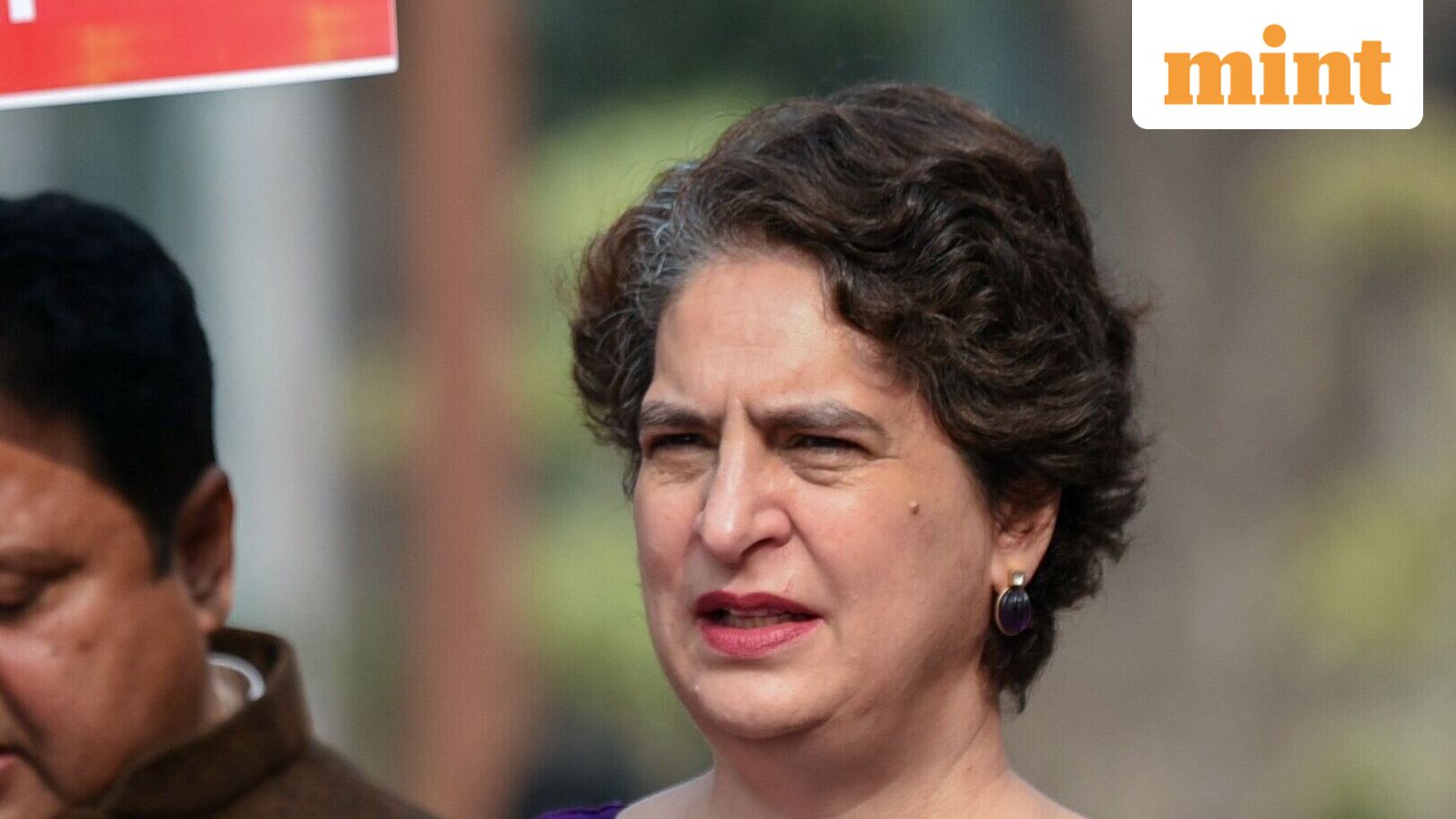
Leaders of opposition parties on Tuesday targeted the Union government over the directions to mobile companies to pre-install the Sanchar Saathi app on mobile phones, calling it a ‘dystopian’ tool to ‘snoop’ on citizens. However, amid the row, Communications Minister Jyotiraditya Scindia said on Tuesday that installing the ‘fraud reporting’ app on all devices would be optional and could be deleted by users. Criticizing the Centre, Congress MP Priyanka Gandhi Vadra called the Centre’s Sanchar Saathi app a tool to “snoop” on citizens’ mobile phones, describing it as a move to turn India into a dictatorship. Vadra’s comments came a day after the communications ministry directed smartphone makers to pre-install the app on all devices to be sold within the next three months. “Sanchar Saathi is a snooping app, and it’s clearly ridiculous. Citizens have the right to privacy. Everyone should have the right to send messages to family and friends without the government looking at everything,” Vadra told reporters outside Parliament House on Tuesday. The Union Ministry of Communications on Monday said that the Department of Telecommunications (DoT) directions to mobile phone companies for pre-installation of the Sanchar Saathi application in mobile phones are aimed at protecting citizens from purchasing non-genuine mobile phones and enabling easy reporting of suspected misuse of telecom resources. The DoT issued these directions on November 28 to manufacturers and importers of mobile phones intended for use in India under the provisions of the Telecom Cyber ​​Security Act. This was widely interpreted as an instruction that the application would not be removable. However, Union Communications Minister Jyotiraditya Scindia on Tuesday clarified that users will only have the option to activate the app if they choose, and will also be allowed to delete it. “This app does not enable snooping or call monitoring. You can enable or disable it as per your wish… If you don’t want Sanchar Saathi, you can delete it. It’s optional… It’s about customer protection. I want to clear all misconceptions… It’s our duty to introduce this app to everyone. To keep it on their devices or not is up to the user like any new app… It can only be deleted from any new app…” agency ANI and said later shared it on his X account as well. Speaking ahead of Scindia’s explanation, Vadra said that while cyber security measures are necessary, they do not give the government a license to intrude into citizens’ private lives. “There is a very fine line between reporting fraud and monitoring what every citizen is doing on their phone. That’s not how it should work. There needs to be an efficient system to report fraud. We discussed it in detail, there is a need for cyber security, but that doesn’t mean you get an excuse to go into every citizen’s phone. I don’t think any citizen will be happy,” she said. Pegasus spyware CPI(M) Rajya Sabha MP John Brittas also criticized the move and invoked the Pegasus spyware controversy. He further questioned the status of the CERT-In (Indian Computer Emergency Response Team) following claims made by several opposition leaders in 2023 that they had received warnings from Apple about “state-sponsored attacks” on their devices. “Has anyone heard the outcome of CERT-In’s investigation into state-sponsored iPhone hacks? Questions asked in Parliament about this have been consistently dismissed… Next step, of course: Ankle monitors, collars and brain implants for 1.4 billion people. Only then will the government finally know what we really think and do,” Brittas, Brother Congress General Secretary, wrote on Monday on X. Declaring that the right to privacy is an intrinsic part of the fundamental right to life and liberty. “Big Brother cannot monitor us. This DoT direction is beyond unconstitutional. The Right to Privacy is an intrinsic part of the fundamental right to life and liberty, contained in Article 21 of the Constitution. “A pre-loaded government program that cannot be uninstalled is a dystopian tool to monitor every Indian. It is a means of monitoring every movement, interaction and decision of every citizen,” Venugopal said in a post on X. Venugopal also shared the DoT direction under Telecom Cyber Security Rules, 2024 (as amended) on pre-installing the Sanchar Saathi app in mobile phones to check their authenticity. Cyber Security Rules, 2024 (as amended), and other applicable laws. These directives will shall come into effect immediately and shall remain in force until amended or withdrawn by the DoT,” the communication said. On Tuesday, Congress MP Renuka Chowdhury moved an adjournment notice in the Rajya Sabha requesting suspension of business to discuss the government’s directives on installing the Sanchar Saathi app. She requested a discussion under the other business. case. What did the government say. A press release from the Ministry of Communications said on Monday that the DoT has issued directions for the pre-installation of the Sanchar Saathi app to verify the authenticity of mobile phones. issued directions dated 28.11.2025 that the manufacturer and importers of mobile phones intended for use in India under the provisions of the Telecom Cyber ​​Security, said the ministry note issued on December 1. What is Sanchar Saathi Initiative? The DoT is undertaking the Sanchar Saathi initiative to combat the misuse of telecom resources and ensure that telecom resources are not misused. said The department has developed a Sanchar Saathi portal and application that enables citizens to check the authenticity of a mobile phone through the IMEI number, along with other facilities such as checking suspected fraudulent communications, lost/stolen mobile phones, checking mobile connections in their name, trusted contact details of banks/financial institutions, it said in a press conference on Tuesday that right to privacy is an intrinsic part of the fundamental right to life and liberty “People ask whether The Sanchar Saathi app is meant to spy on you. The government doesn’t want to spy on you. It can’t listen to your calls or the calls you receive. It can’t access your private data.” Patra said. (With agency input)

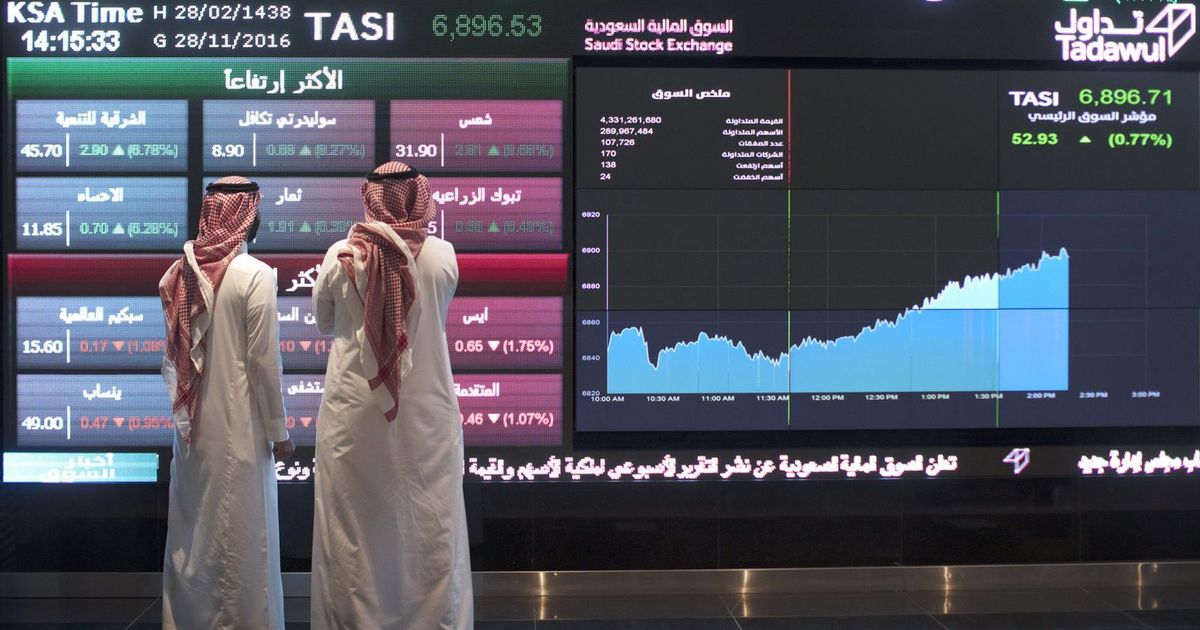
The Saudi stock market is recovering from its lowest levels in two months amid a bet on technical support

The Saudi stock market is recovering from its lowest levels in two months amid a bet on technical support

The Saudi stock market rose at the start of Tuesday’s session after its general index recorded the lowest closing level in more than two months yesterday, as analysts believe the market is approaching a major support area that could improve chances of consolidation and recovery. Mohamed Zidan, senior financial analyst at Al Sharq, says that technical indicators, such as the relative strength index, show that the market is approaching oversold saturation, raising hopes for the market’s consolidation around the 10,500-point support level, before recovering upwards. But he warned: “If the market closes below 10,250 points, which is a weak possibility in the short term, the decline may continue to test the level of 10,000 points.” The TASI general index opened trading with a rise of about 0.3% to 10,572 points, with all leading shares rising except for “SABIC”, which fell slightly. A quick recovery Wadah Al-Taha, a member of the National Advisory Council (CISI), expected the market’s recovery “to be quick due to the lack of strong resistance points, due to the recent decline in trading values ​​and volumes.” Al-Taha added during an interview with Al-Sharq: “I believe that the fourth quarter results for companies will also be positive, so I expect the market to recover during the next month.” Blue show for new listings: “Comprehensive Path” for Education shares fell 5% in early trading, before later rising about 2% to 20 rials. The company attracted subscription requests worth 61.6 billion riyals from institutional investors for a 30% stake. Yesterday, Shree Car Rental shares fell about 6% in its first trading session, but it made up for some of those losses by rising 1.8% in morning trade to 26.88 riyals. Majid Al-Khalidi, senior financial analyst at Al-Eqtisadiah newspaper, said: “Shree’s stock has fallen despite its appropriate repeatability and the company’s good profits, and it also shows the weakness of trader morale.” He explained that some of the stocks listed earlier in the year were characterized by high multiples compared to the market and corresponding companies, but they rose to the maximum in their first trading sessions, as sentiment towards the offers was stronger.