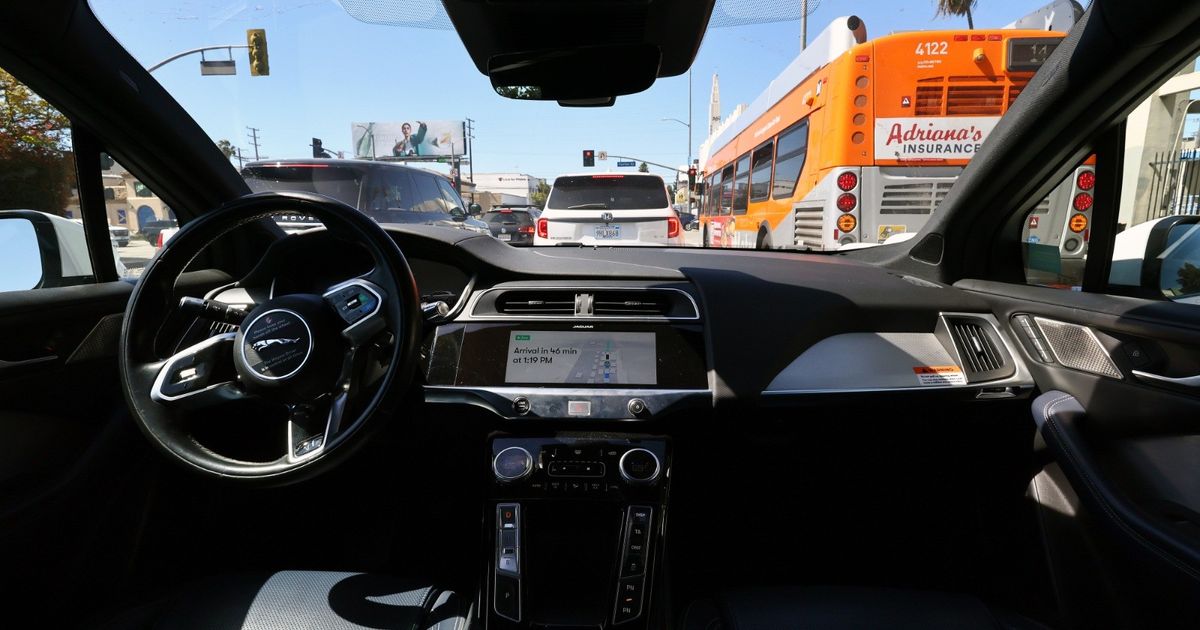
The Mercedes-Benz Group intends to work with Chinese software development company Momenta Global to use self-driving cars for Lumo Mobility in Abu Dhabi, marking the German company’s first step into the world of self-driving taxis. Mercedes said the two companies will introduce Level 4 autonomous driving technology, which allows the driver to take his hands off the steering wheel and not look at the road, in the new generation of the S-Class car, which is scheduled to be launched in January. This launch will be supported by Lomo Mobility, a subsidiary of technology company K2 Group, which has obtained a license to operate autonomous vehicles in the UAE, based in Abu Dhabi. You might be interested in: Uber and Baidu team up to launch a “Robotaxi” in Asia and the Middle East A global trend towards Chinese partnerships Automakers around the world are turning to Chinese software partners to accelerate the development of self-driving technologies and reduce the significant increase in development costs. This increases the dependence of the German auto industry – which is facing pressure from electric car competition, falling sales and shrinking margins – on China. While American companies such as Waymo and Cruise have led the rollout of self-taxi services in their early stages, Chinese startups such as Momenta Global and WeRide are rapidly expanding abroad through partnerships with large companies. Also read: The future leans towards Waymo, not Uber. Development of self-driving cars. Momenta Global already provides self-driving systems for BMW in China, and is preparing to launch a self-driving taxi trial in cooperation with Uber in Germany starting in 2026. Founded in 2016, Momenta Global is one of the most prominent self-driving software companies in China. Instead of manufacturing vehicles, the company provides complete, integrated systems trained on large amounts of real-world driving data. Also read: Uber and WeRide launch self-driving taxis on Abu Dhabi’s Yas Island. The introduction of self-driving cars in Abu Dhabi will depend on Mercedes’ new operating system, MB.OS, which enables partners to develop complex applications – including advanced automated driving technologies – while the company remains in control of the platform. This strategy allows Mercedes to retain control over its core software, while using partners to provide specialized and expensive components, such as autonomous driving algorithms.