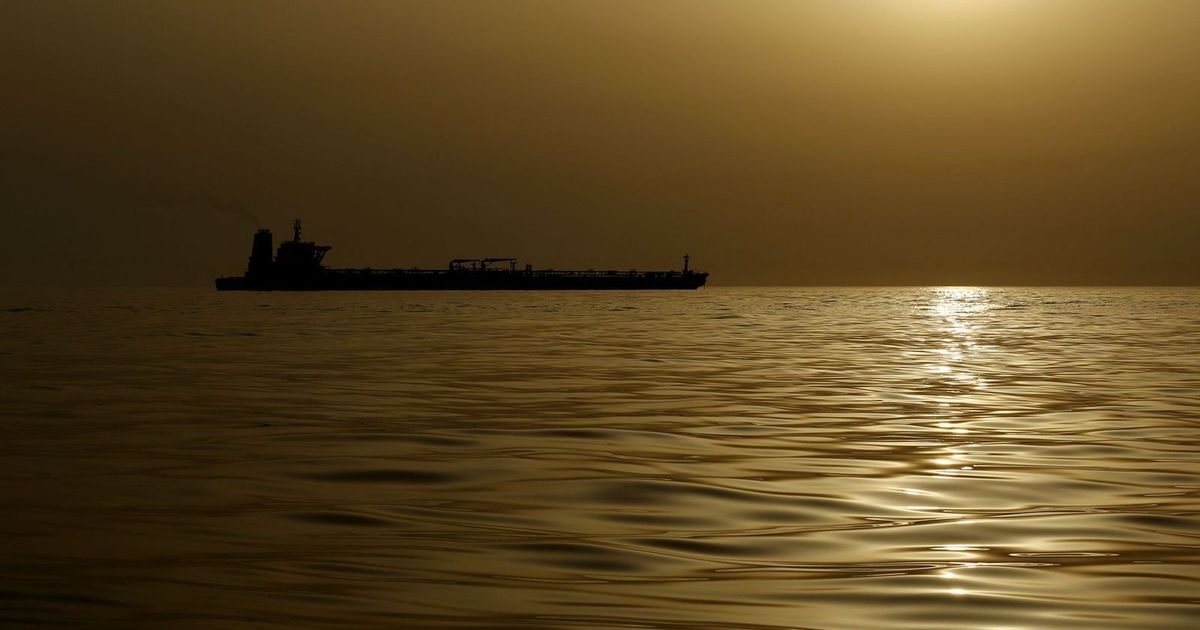
The shortage of oil tankers is becoming so severe that newly built ships, which usually carry refined fuel on their maiden voyages, are racing to empty to load crude cargoes as soon as possible. Six VLCCs have been delivered this year, all of them sailing offload from East Asia to load oil in the Middle East, Africa or the Americas, according to ship tracking data and confirmed charters seen by Bloomberg and Signal Ocean, compared with a single such voyage last year. The shortage of tankers is changing the approach of shipping companies. When tanker owners are about to take delivery of new ships, they usually use them to transport fuel, such as gasoline, on their first voyage to load crude oil, which has economic and geographical logic, since oil products are less polluted than crude, and the ships will not need to be washed after transporting these cargoes. Many tankers are also manufactured in East Asia, which imports large quantities of crude oil and exports refined fuel. Also read: Shipping costs jump and oil transport leads with a rise of 467% under the pressure of production and sanctions. However, the current severe shortage of tankers has reversed this logic. Oil producers from members of OPEC and beyond increased production this year. At the same time, Western sanctions against Russia and the dangers of sailing through the Red Sea have led to the disruption of the usual routes, leading to longer journeys and the use of a greater number of tankers. Freight rates attract fuel tankers to oil Smaller oil product tankers have also been attracted to trading crude, while some traders have been forced to split shipments due to a shortage of larger tankers, pushing up transport costs. The Baltic Dirty Tanker Index, which tracks the transport rates of crude oil on 12 main routes, has risen by 50% since the end of July. Also read: The cost of insuring ships against war risks in the Black Sea rises by 250%. “When VLCCs are earning $100,000 a day and Suezmax tankers are earning $80,000 for carrying crude oil, people will prefer to agree on these levels, just in case,” said Georgios Sakelarios, a ship charter analyst at Signal Maritime, a company that manages a group of ships in the same group. To withdraw it.” The Aliakmon 1 was the first supertanker to be seen sailing empty on its maiden voyage this year. It unloaded from a shipyard in northeastern China in late June, then headed to Kuwait to load about two million barrels of oil. The tanker, manufactured by the Japanese trading company Mitsui & Co. owned, then went to South Korea to deliver its cargo at the end of November.