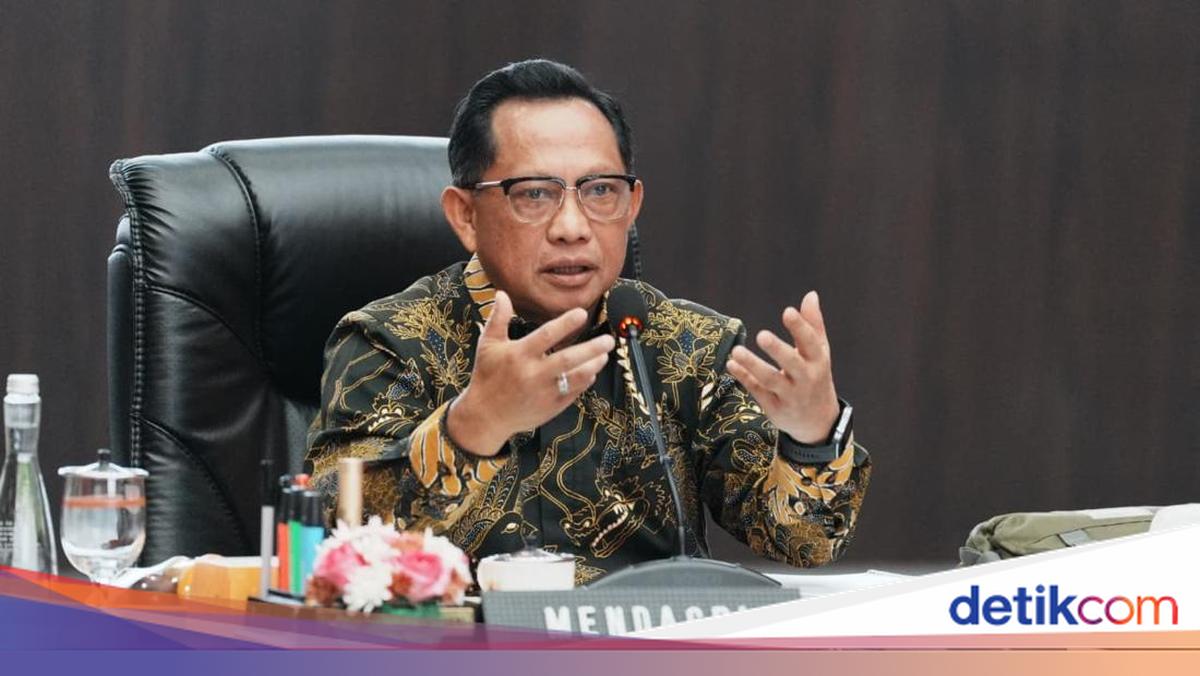
Jakarta – The Indonesian Minister of Home Affairs (Mendagri) Muhammad Tito Karnavian said that meeting minimum service standards (SPM) is the focus to accelerate development in the Papua region. The SPM covers the health sector; education; social; public works; public housing; as well as peace, public order and community protection (Trantibumlinmas). “We are focusing on these six, and a government instrument has been formed, namely the (Executive) Committee for the Acceleration of Development (Special Autonomy) for Papua appointed by the President,” Tito said in a written statement on Thursday (11/12/2025). Scroll to continue content He conveyed this to the media team after a joint meeting with the Indonesian Regional Representative Council (DPD) at the Sasana Bhakti Praja Building, Headquarters of the Ministry of Interior (Kemendagri), Jakarta, Thursday (11/12/2025). Tito explained that the Committee will harmonize various ministry and agency programs with provincial and district/city governments in the Papua region. Tito received information that Indonesian President Prabowo Subianto will convene the Executive Committee for the Acceleration of Development of Special Autonomy for Papua together with regional chiefs of the Papua region and a number of members of the Red and White Cabinet. “We will give direction later on what this committee should do,” said Tito. In his meeting with DPD RI, Tito also explained the government’s various efforts to accelerate development in Papua, one of which was through the formation of four new autonomous regions (ADO). He emphasized that the formation of a new autonomous region is an aspiration of the Papuan people, as well as part of a strategy to facilitate public services, taking into account the vast territory of Papua. The Human Development Index (HDI) in the area is also still relatively low, so the acceleration of development is an urgent need. Tito gave the example of a number of regions that experienced progress after expansion, one of which was West Papua Province, which was the result of the first expansion of main Papua. He is optimistic that the same thing will also happen with the four new autonomous regions. “We saw the results. The result was that West Papua experienced acceleration (development),” explains Tito. The meeting also discussed various strategic issues related to Papua, including the government’s support for Indigenous Papuans (OAP), aspirations for the establishment of new autonomous regions on a priority scale, regional boundaries, regional finances, tourism support and infrastructure issues. Apart from that, the need for the Ministry of Home Affairs to increase supervision and facilitation to regional governments (Pemda) was also discussed together with adjustments to the Transfer to Regions Budget (TKD). “We will carry it out (surveillance) together. Earlier I explained in sufficient detail the storyline and what the future solution would be,” explains Tito. For your information, the forum was also attended by the deputy chairman of the DPD RI for regional autonomy, politics and law, Gusti Kanjeng Ratu Hemas; Vice-chairman of the DPD RI for People’s Welfare, Yorrys Raweyai; Chairman of Committee I Andi Sofyan Hasdam; Chairman of Committee III Filep Wamafma; Vice Chairman of Committee I Carel Simon Petrus Suebu; Vice Chairman of Committee I Bahar Buasan; as well as a number of members of Committee I DPD RI. Also present were Deputy Minister of Interior (Wamendagri) Ribka Haluk and Deputy Minister of Interior Akhmad Wiyagus. (acd/ega)