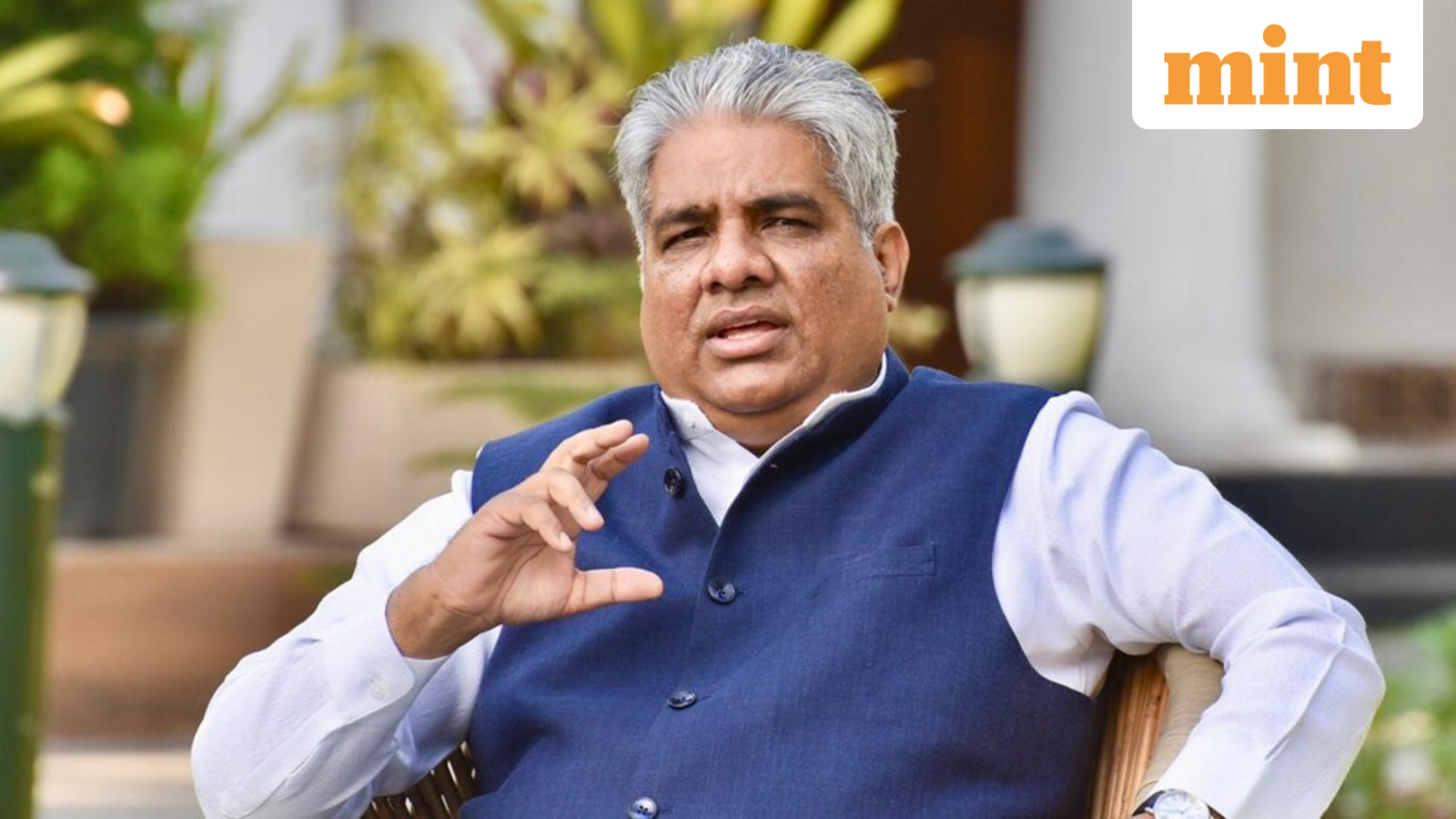
New Delhi: India’s transition to a green economy offers unprecedented opportunities to integrate sustainability with competitiveness, said Environment, Forest and Climate Change Minister Bhupender Yadav. Calling on the industry to seize India’s green momentum and translate it into real, scalable actions, he suggested that companies step forward with voluntary commitments that strengthen the country’s policy push towards a self-sustaining circular economy. “By investing in research, infrastructure, skill development and working with MSMEs (Micro, Small and Medium Enterprises) and their partners, the industry can drive India’s vision of a self-reliant, globally competitive and sustainable industrial base,” Yadav said in a special plenary address on “Green Growth: Sustainability in line with the C22E event” at the C22E event. Circularity is an economic model that aims to eliminate waste and keep materials in use as long as possible through repair, recycling and reuse. Fundamentals highlighted The minister underlined the country’s development trajectory under the Viksit Bharat vision and highlighted India’s strong economic fundamentals and rapid progress in sustainable development. Clean industrialization, he noted, is “not a constraint but a catalyst” for innovation, resilience and future prosperity. He emphasized that the decarbonisation of India’s manufacturing sector is a strategic imperative to strengthen export competitiveness and reduce exposure to carbon-related trade barriers. The minister highlighted India’s strategic shift towards sustainable, competitive and resilient economic growth. Despite global geopolitical and environmental turbulence, the minister asserted that India has emerged as a “reliable global partner”, prioritizing green technologies, circular economy principles, sustainable manufacturing and nature-based solutions. ‘Strong mindset shift’ “Across India, businesses – especially MSMEs – are undergoing a strong mindset shift, becoming much more aware and accountable when it comes to environmental sustainability and social responsibility. Policy interventions have further accelerated this movement, driving the adoption of greener materials, sustainable products and waste-to-energy solutions,” says Neal Thakker, CEO of Magrma Group, a founder and head of a green office. manufacturing companies. “We are seeing clear momentum from both large enterprises and emerging enterprises, and this demand will grow significantly in the coming years,” added Thakkar. The minister urged industry leaders to work closely with value chain partners and MSMEs to embrace circularity. “This will not only improve India’s competitiveness, but also open doors to new markets and position our manufacturers firmly in global value chains,” he said. Yadav outlined recent reforms and initiatives driving India’s green industrial transformation. Referring to the GST 2.0 reforms, he said, “GST 2.0 reforms affirm green growth by reducing tax rates from 12% to 5% on renewable energy equipment, biodegradable plastics, wastewater treatment plants and electric vehicles. The industry should seize this opportunity to invest in green manufacturing, integrate, integrate and integrate into a chain-friendly practice. technologies for global competitiveness.”